


Are Wart Removal Treatments Safe?
- aesthatic clinic
.jpg/v1/fill/w_320,h_320/file.jpg)
- Jan 13
- 4 min read
Wart removal procedures are widely sought for both health and cosmetic reasons, and for most people they are considered very safe when performed properly. Because warts are caused by the human papillomavirus (HPV), they can sometimes spread if not treated correctly, and many individuals hesitate due to concerns about pain, scarring, or adverse reactions. However, with modern techniques and appropriate care, these risks are minimized. In fact, Wart Removal in Dubai today uses methods that prioritize precision and safety, ensuring that skin integrity is maintained while effectively eliminating unwanted growths.
What Determines the Safety of Wart Removal?
The safety of a wart removal treatment depends on several key factors:
Technique Used: Some methods are gentler and less invasive, while others may be more aggressive depending on wart size or location.
Skin Type: Individuals with sensitive or compromised skin may need tailored approaches to avoid irritation.
Proper Assessment: A trained professional’s evaluation helps determine the most suitable and safest method.
Aftercare: Following post-treatment instructions plays a vital role in how the skin heals and prevents complications.
Understanding these elements helps ensure that wart removal is not only effective but also safe for a wide range of patients.
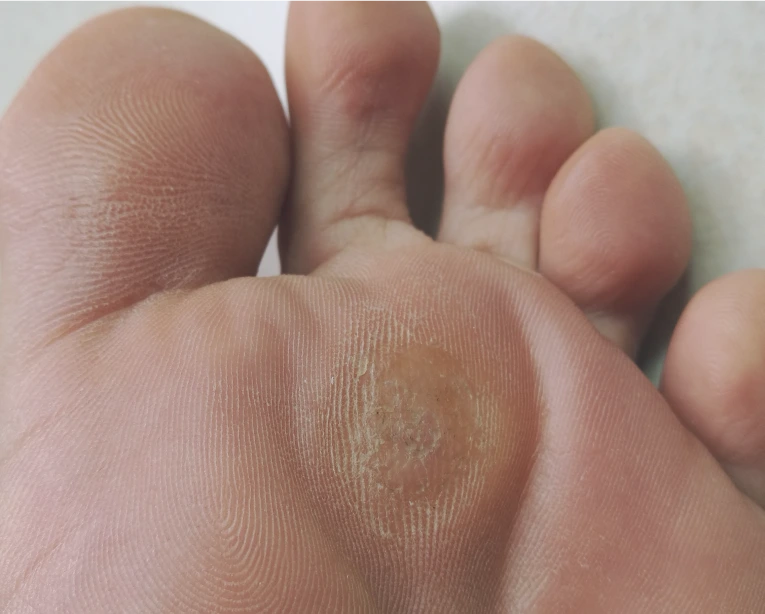
Common Wart Removal Methods and Their Safety
There are several wart removal options available, ranging from at-home treatments to professional procedures. Below is an overview of common methods and what makes them safe when used correctly:
Cryotherapy (Freezing)
Cryotherapy works by applying extremely cold temperatures to the wart, causing the infected tissue to die and eventually fall off. It’s one of the most frequently used clinical methods and, when performed by a trained specialist, is considered safe for most skin types. Side effects are usually mild, such as temporary redness or a small blister that heals naturally.
Laser Treatment
Laser wart removal uses focused light energy to target and destroy wart tissue. This approach is precise, allowing the surrounding healthy skin to remain unaffected. Laser techniques are especially beneficial for stubborn warts or those in hard-to-treat areas. Because of its accuracy, laser treatment is one of the safest options and carries minimal risk of scarring.
Topical Prescription Treatments
Medicated topical solutions work by gradually breaking down wart tissue. Dermatologists may recommend these for smaller or newer warts. Since these solutions are applied directly to the skin, they are designed to be effective without causing excessive irritation when used as directed.
Minor Surgical Removal
In some cases, a small excision may be needed to remove the wart entirely. Although this is more invasive than other methods, proper local anesthesia and sterile technique ensure the process is safe and controlled. Healing is managed with appropriate wound care to minimize scarring.
Safety Considerations for People with Sensitive Skin
Individuals with sensitive skin may wonder if wart removal is appropriate for them. In most situations, yes—especially when a professional evaluates the skin first. Treatments can be adjusted to limit irritation, and gentler methods are often selected initially. Pre-treatment skin conditioning and careful aftercare help reduce the risk of redness, dryness, or discomfort following removal.
Pain and Discomfort: What to Expect
Some wart removal treatments involve mild discomfort, but pain is generally manageable. Cryotherapy may cause a brief stinging sensation, and laser treatment might feel warm. Most procedures are quick, and any discomfort typically fades soon after. Professionals often take steps to ensure patient comfort, such as using numbing agents or calming post-treatment products.
Risks and How They Are Mitigated
Like any medical or skincare procedure, wart removal carries some potential risks. These may include:
Temporary redness or irritation
Blistering
Mild swelling
Light pigmentation changes
However, when performed by an experienced specialist and followed by proper aftercare, these risks are significantly reduced. Sterile techniques, personalized treatment settings, and post-treatment recommendations all contribute to a safer experience.
Aftercare and Healing
A vital part of wart removal safety is the aftercare process. Following specific instructions helps skin heal more quickly and reduces the risk of infection or scarring. Common aftercare guidance includes:
Keeping the treated area clean and dry
Avoiding picking or scratching
Using recommended soothing ointments
Protecting skin from excessive sun exposure
Healing times vary depending on the method used, but most people resume normal activities shortly after treatment.
When to Seek Professional Help
If you notice unusual symptoms after a procedure—such as excessive pain, spreading redness, or signs of infection—it’s important to consult a skincare professional. These signs can usually be addressed and resolved with appropriate care without affecting the overall safety of the treatment.
Many individuals in the region seeking the Best Wart Removal Dubai choose professional services precisely because they emphasize both effectiveness and safety, ensuring peace of mind throughout the process.
Conclusion
Wart removal treatments are generally safe and well-tolerated when chosen based on individual needs and administered by trained professionals. Modern methods, including cryotherapy, laser techniques, topical solutions, and minor surgical options, are designed to eliminate warts while protecting the surrounding skin. Sensitive skin types, mild discomfort, and healing processes are all carefully accounted for to ensure confidence and comfort throughout treatment. With proper assessment, tailored care, and diligent aftercare, wart removal can be both effective and worry-free, helping individuals restore clearer, healthier skin with minimal risk.


Comments